
Get Ready for School with HON Educational Furniture
August 4, 2025
Transform and Upgrade Your Workspace with Office Add-Ons
February 4, 2026
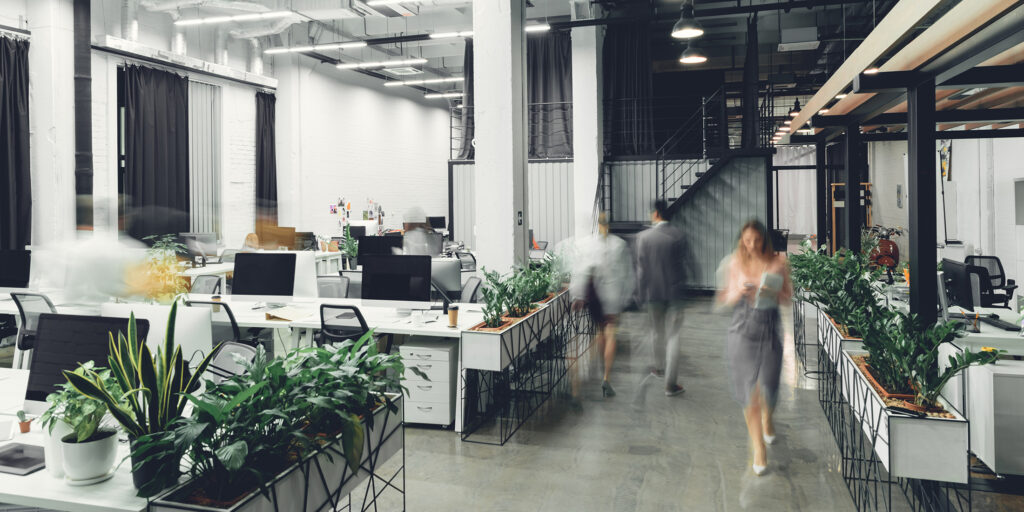
As employees continue to settle back into the office following the rise in popularity of remote work, a clear picture is emerging. That is to say, current offices look fundamentally different from the ones we had a decade ago. The return to the office is no longer about simply bringing employees back to their desks. Companies are re-imagining their workspaces not as mandatory attendance zones, but as strategic assets designed to foster connection, accommodate diverse work styles, and support multi-generational teams.
We’re going to take a look at some office design trends that focus on employees returning to work in the office. We will show you how you can implement these trends to create the kind of workspace that will let your employees thrive. That way, they will look forward to coming into the office.
Connecting & Collaborating: The New Office Priority
Today’s most successful office designs prioritize what remote work cannot easily replicate: spontaneous collaboration and meaningful human connection. Organizations are moving away from rows of individual workstations toward varied collaboration zones that encourage both planned meetings and impromptu conversations. Lounge-style seating areas, standing meeting spaces, and flexible modular furniture configurations create opportunities for teams to gather organically. The goal is making the office a destination worth the commute by offering experiences that genuinely enhance teamwork, connection, and creativity.
Want to test your office design chops? Try our HON Furniture Configurator!
The Rise of Privacy Booths

While collaboration matters, so does concentration. Enter the privacy booth—one of the most popular additions to modern office design. Companies like OFS have developed sophisticated phone booths and focus pods that provide acoustic privacy without requiring permanent construction.
Privacy booths represent a middle ground between the isolated cubicles of yesterday and the overly exposed open plans that followed. These compact spaces solve a critical challenge: giving employees quiet zones for focused work, confidential calls, or virtual meetings without sacrificing the open, collaborative feel of modern offices.
How Hybrid Work Affects Office Design

Hybrid work has fundamentally altered space utilization calculations. With employees splitting time between home and the office, companies no longer need a dedicated desk for every person. This reality has sparked a shift toward activity-based design, where the office features a variety of spaces suited to different tasks rather than assigned seating. Benching systems, bookable collaboration rooms, and varied work settings allow organizations to reduce their real estate footprint while improving the overall employee experience.
Technology infrastructure has become equally important, with the need for reliable video conferencing equipment, seamless Wi-Fi, and easy-to-use booking systems. These are now essential amenities, and not just some nice-to-have features.
Inclusive Office Design for All Abilities
Forward-thinking companies recognize that truly effective offices must accommodate everyone, and understand that differences are a benefit to be celebrated. But inclusive design goes beyond ADA compliance. It seeks to create environments where all employees can thrive. This means considering sight lines for those with hearing impairments, ensuring adequate lighting for people with vision differences, providing adjustable-height desks for various physical needs, and creating sensory-friendly quiet zones.
Inclusive design that considers neurodivergence also makes a powerful impact on your workforce. Color contrast, intuitive wayfinding, and ergonomic seating options all contribute to spaces where diverse abilities are anticipated and supported, and not treated as afterthoughts. Our office configuration specialists can help you design your space in a way that makes everyone on your team feel seen, accommodated, and comfortable.
Adapting to Accommodate Older Employees
Thoughtful design is also crucial for accommodating the needs of an aging workforce. Older employees bring with them decades of vital expertise, but that also comes with decades of physical wear and tear on their bodies. They may benefit from age-friendly workplace design such as enhanced lighting that reduces eye strain, ergonomic seating with proper lumbar support, and workspace layouts that minimize long walks between frequently used areas. Anti-fatigue mats in standing areas, easily accessible power outlets that don’t require bending, and clearly marked pathways also help create comfortable environments for employees across all age ranges.
These considerations aren’t just about compliance—they’re about recognizing the value of experienced workers and ensuring they can contribute their best work in comfort.
Partner with Interiors by Guernsey
Navigating the return to office requires more than just good intentions—it demands thoughtful design expertise and a deep understanding of how people work and what matters to them. Interiors by Guernsey specializes in creating office environments that balance collaboration with privacy, accommodate hybrid work patterns, and welcome employees of all ages and abilities.
Our team works closely with organizations to assess their unique needs, select furniture and solutions that truly support their workforce, and transform offices into destinations that employees genuinely want to visit. Whether you’re re-configuring an existing space or designing from scratch, we’ll help you create an office that’s not just functional, but inviting, engaging, and built for the future of work.
Are you located in D.C., Maryland, Pennsylvania, or Virginia? Let us help you make your return to office a competitive advantage and a positive experience for your whole team!